
If your products look amateur online, your brand looks amateur. There’s no softer way to put it.
I see beautiful products photographed badly almost every week. Skincare brands with muddy colour. Jewellery shot in kitchen light. Homeware that looks smaller in the photo than it does in the box. The owners know something is off, but they can’t quite name it.
Usually, it’s not one big mistake. It’s six small ones stacked on top of each other.
Here’s what’s actually going wrong in most e-commerce photography I see, and why it matters more than you think.
The lighting is doing too much, or not enough
Lighting is where most product photography quietly falls apart.
Phone flash flattens everything. Overhead office lights cast a yellow tint that no amount of editing fully fixes. Window light is lovely until the sun moves or it clouds over, and your sixth shot doesn’t match your first.
The result is a product range that looks like it was photographed in five different shops. Customers won’t articulate why your site feels “off.” They’ll just leave.
Consistency across a range is one of the hardest things to achieve as a non-photographer. It’s also one of the first things a buyer notices.
The backgrounds are pulling focus
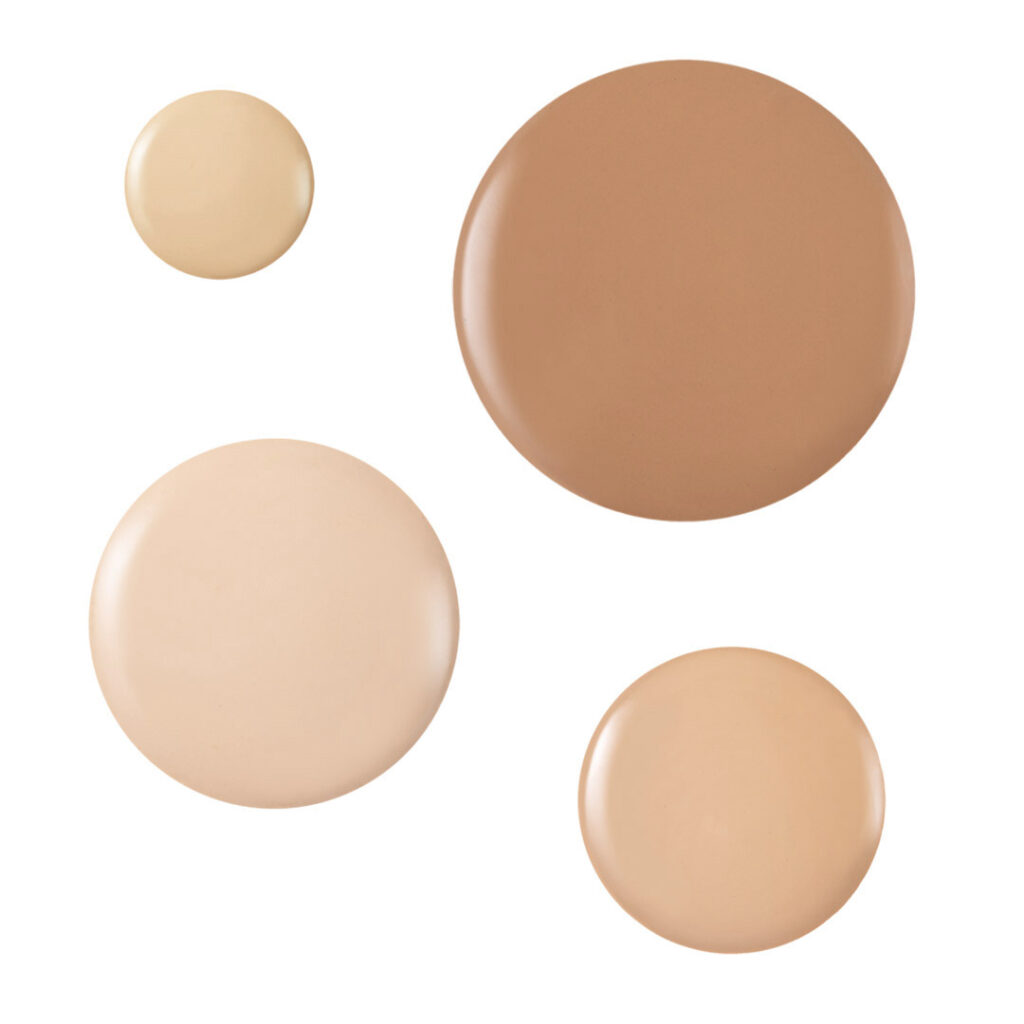
A clean white background isn’t a creative choice. It’s a commercial one.
It removes distraction, keeps colour accurate, and lets the product hold the frame. Lifestyle and styled shots have a place, but they belong on social and on supporting gallery images, not as your primary product shot.
The mistake I see most: mixing white-background hero shots with lifestyle shots on the same category page. It reads as disjointed. Premium brands keep these visually separated for a reason.
The colours aren’t true
This is the one that costs you money directly.
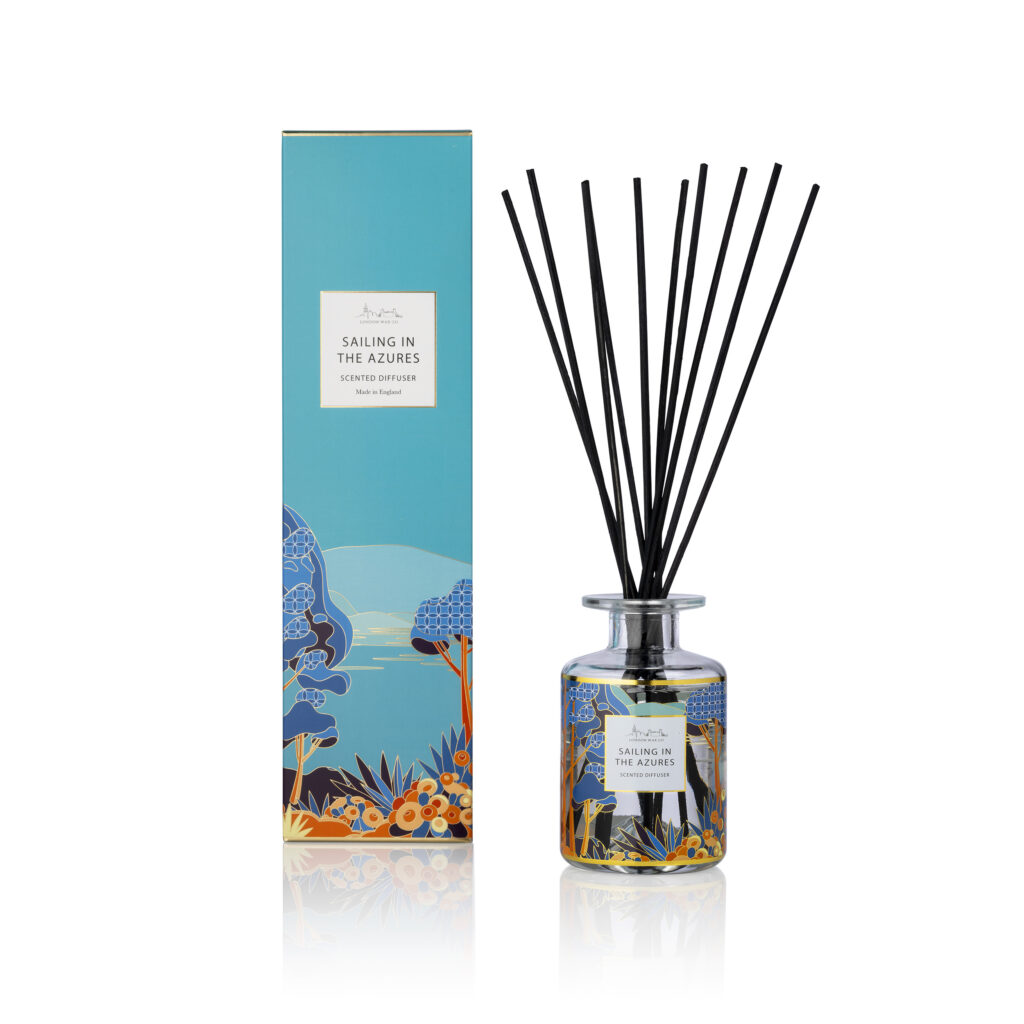
A “blush pink” candle that arrives looking salmon. A “warm oak” frame that turns out yellow. Returns climb. Reviews soften. Trust takes a hit.
Most cameras left on auto white balance will guess wrong, especially around white packaging or reflective surfaces. Fixing this in editing is possible but slow, and most small businesses don’t have the time or the calibrated monitor to do it properly.
For products where colour is the sell, this isn’t a small detail. It’s the whole job.
The detail isn’t there
When someone shops in person, they pick the thing up. They turn it over. They check the stitching, the weight, the finish.
Your photography has to do all of that for them.
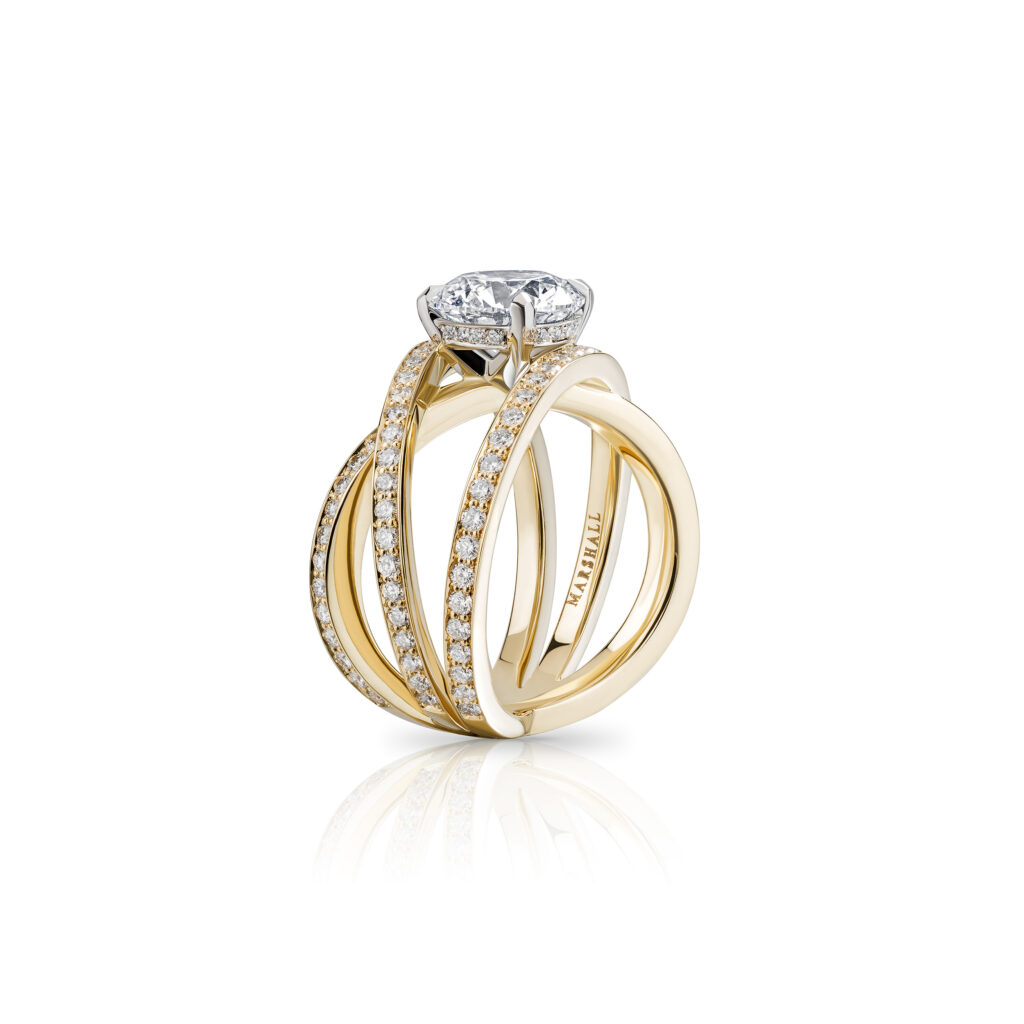
One front-on hero shot isn’t enough. A serious product gallery needs angle variety, scale reference, and at least two macro shots showing the details a buyer would inspect in their hand. Anything less leaves the customer guessing. And guessing customers don’t buy.
For reflective products, fine jewellery, or anything with intricate surface work, this gets exponentially harder. I’ve written separately about photographing silver, which covers some of the trickier surfaces in more depth.
The editing is either too much or too little
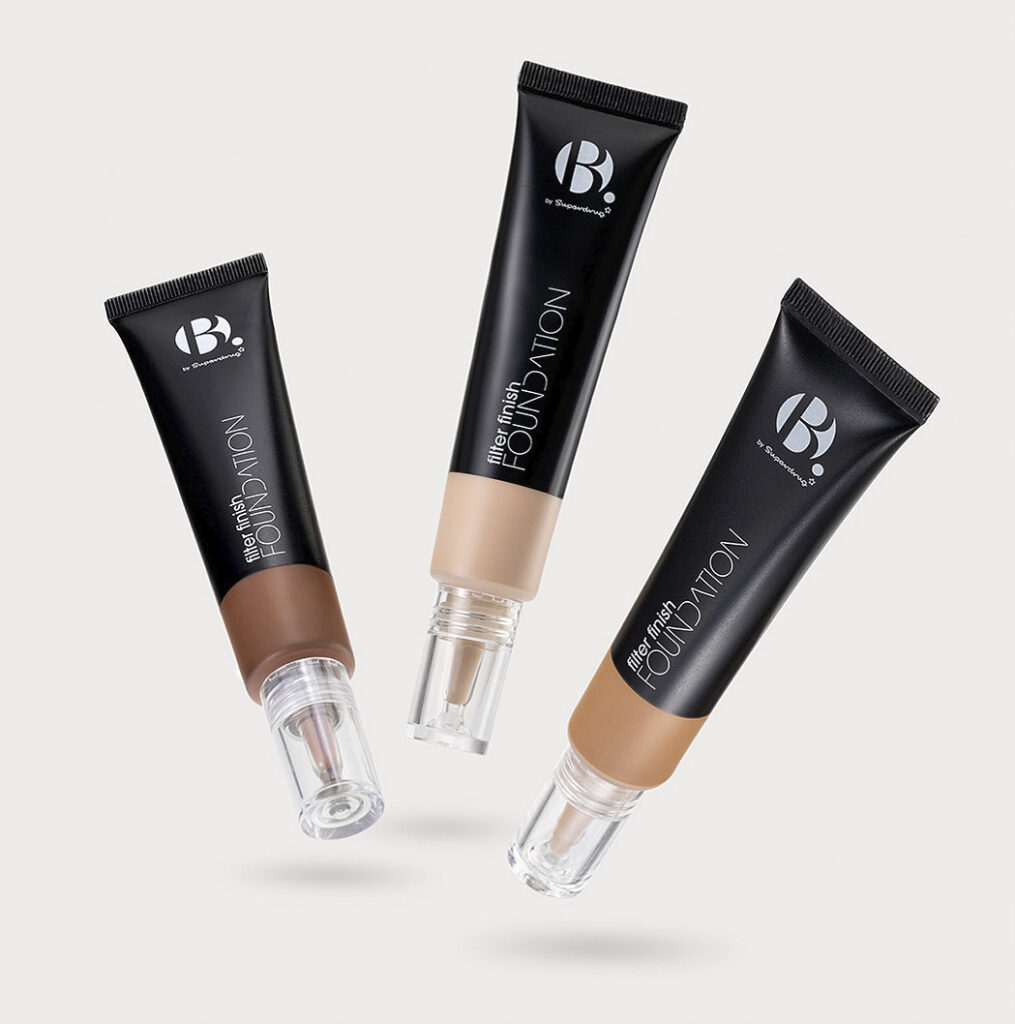
Heavy filters make products look fake. No editing at all leaves dust, fingerprints, and uneven exposure on display.
The right level of post-processing is invisible. It corrects, cleans, and matches. It doesn’t dramatise.
If you’re spending hours trying to rescue a photo, the problem started before the shutter was pressed. Good imagery is built in the shoot, not the edit.
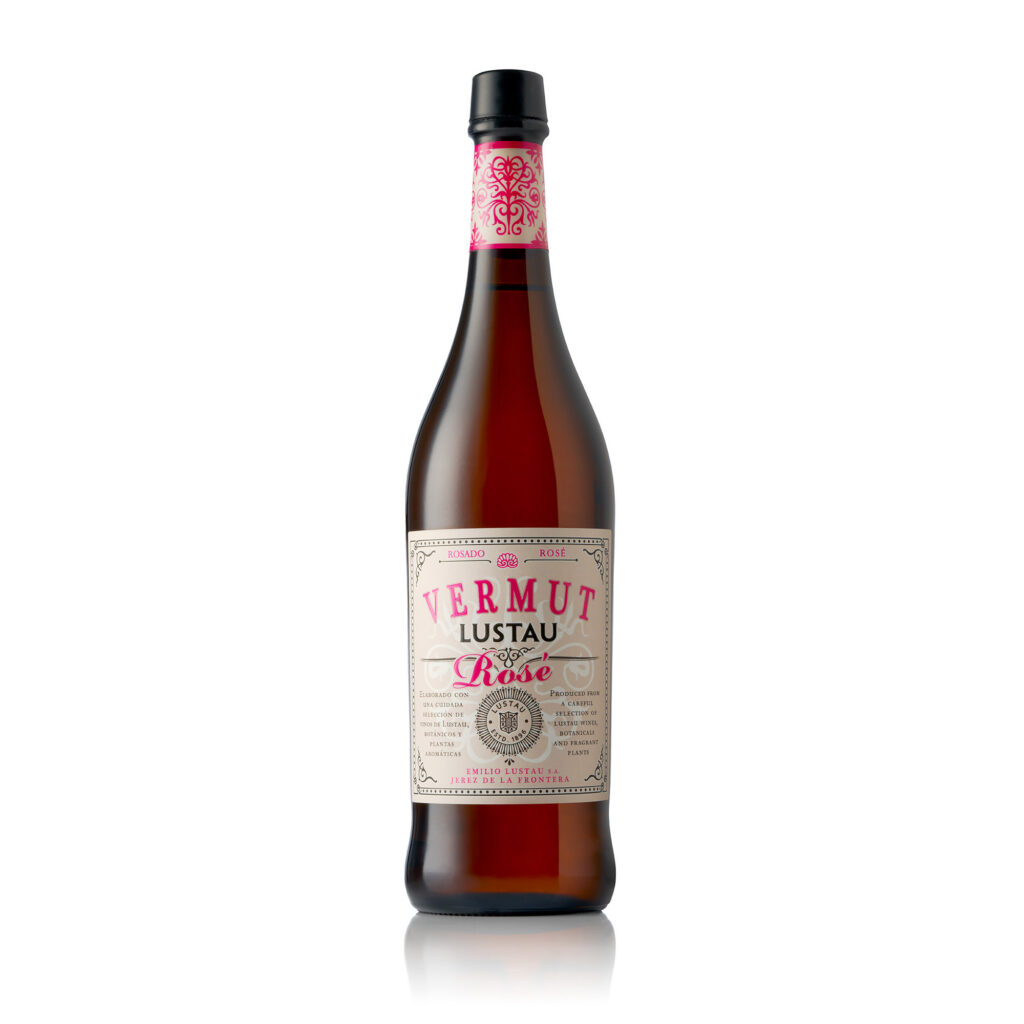
What premium e-commerce photography actually looks like
Premium e-commerce imagery has three things in common: it’s consistent across the full range, it’s colour-accurate, and it answers every question a buyer might have before they have to ask it.
That’s it. There’s no magic, no secret kit. It’s planning, experience, and a thousand small decisions made correctly.
What I bring to e-commerce work after thirty years photographing for luxury brands, jewellers, and high-end retailers is the boring, valuable thing: predictability. You know what the images will look like before we start. You know they’ll match. You know they’ll be ready when your launch date hits.
If you’re prepping a new range, refreshing tired website imagery, or about to push spend into paid ads where every conversion matters, your photography is the bottleneck most brands underestimate.
You can see how I work with brands on the product photography page, or get in touch if you’d like to talk through a specific project.
FAQ
What is e-commerce product photography?
E-commerce product photography is commercial imagery specifically created for online retail. It prioritises colour accuracy, consistency across a range, and clear detail at every angle so customers can buy with confidence.
How much does professional product photography cost in the UK?
Costs vary by complexity, volume, and finish. A simple white-background shoot for a small range starts in the low hundreds. Styled imagery, jewellery, or fine product work is priced per shoot day or per image, depending on scope.
How many images do I need per product?
Most products need a hero shot, two to three angle views, at least one detail or macro shot, and one image showing scale. Higher-value products benefit from more.
Can I shoot my own product photography?
You can. Whether you should depends on the price point of your products and the time you have. For luxury, jewellery, or anything where colour and finish drive the sale, professional photography pays for itself in reduced returns and higher conversion.
What’s the difference between e-commerce and lifestyle product photography?
E-commerce photography shows the product clearly on a clean background, usually white, so a customer can see exactly what they’re buying. Lifestyle photography places the product in a styled setting to suggest mood, use, or brand story. Most brands need both, but e-commerce shots do the selling.
How long does a product photography shoot take?
It depends on the range size and complexity. A small range of straightforward products can be photographed in a day. Larger ranges, reflective items, or styled work usually need more time. Most brands underestimate how long good product photography takes, which is why planning the shoot properly matters as much as the shoot itself.

About Karen Bengall
Karen Bengall is a commercial photographer based in Tunbridge Wells, Kent, with over thirty years of experience photographing for luxury brands, art dealers, jewellers, and high-end retailers across the UK. She specialises in fine art, antique, and premium product photography, working with clients in London and nationally.
Find out more about her product photography services or get in touch.